All posts
California 6 min read
Signs It's Time to Remove Old Attic Insulation
Learn the key signs of old attic insulation removal in California, including moisture, mold, pests, damage, and major attic upgrades.

Learn the key signs of old attic insulation removal in California, including moisture, mold, pests, damage, and major attic upgrades.
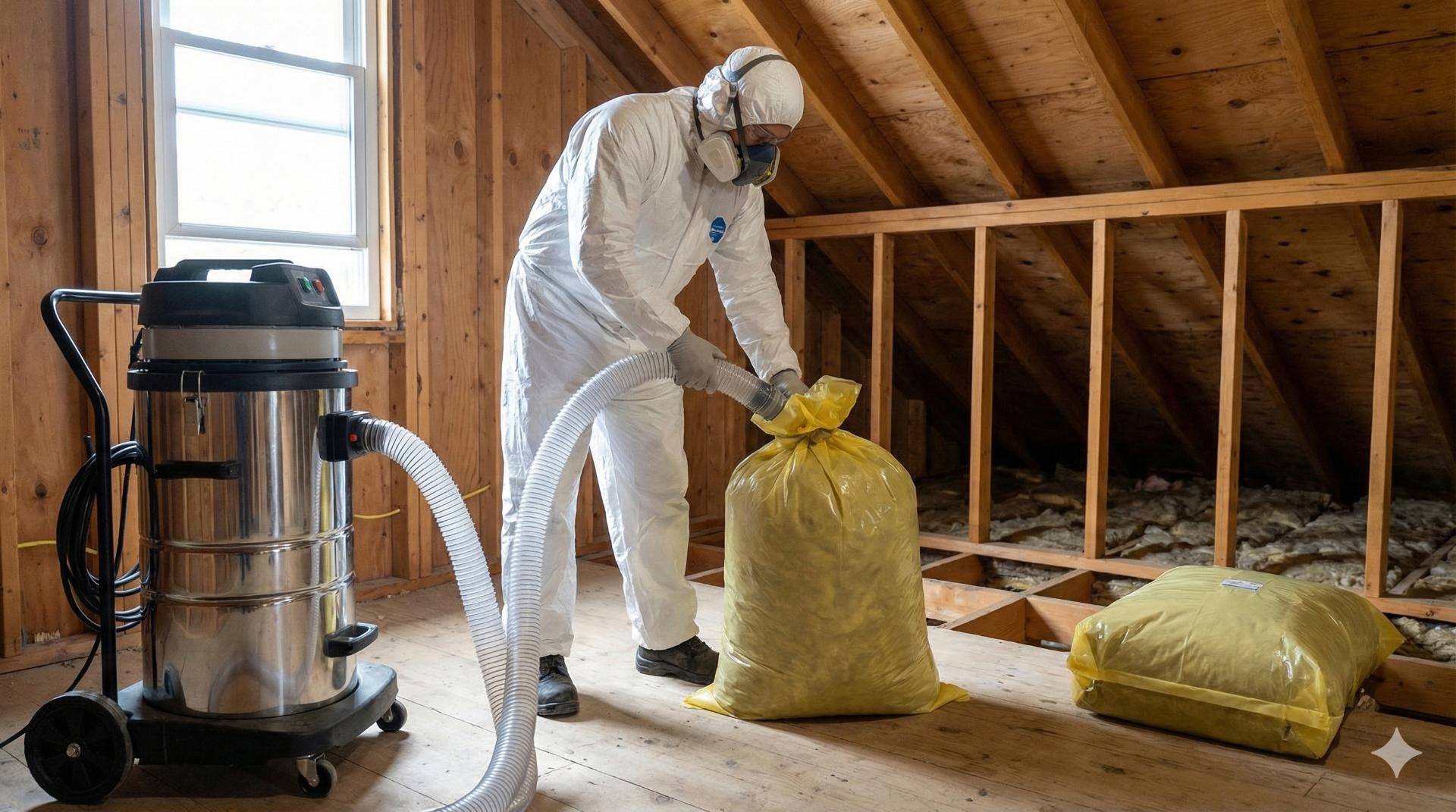
When was the last time you looked at the insulation in your attic? Knowing when to consider attic insulation removal in California can help prevent damaged materials from continuing to affect your attic.
Old insulation does not automatically need removal because of its age. Ask whether it is damaged, contaminated, compressed, or interfering with a planned attic improvement. Here are the signs to watch for.
Old attic insulation should generally be considered for removal when it has significant water damage, contamination, severe deterioration, or is unsuitable for a planned insulation upgrade. Age alone is not always a reason to remove it.
A professional can determine whether it can remain, needs partial removal, or should be replaced.
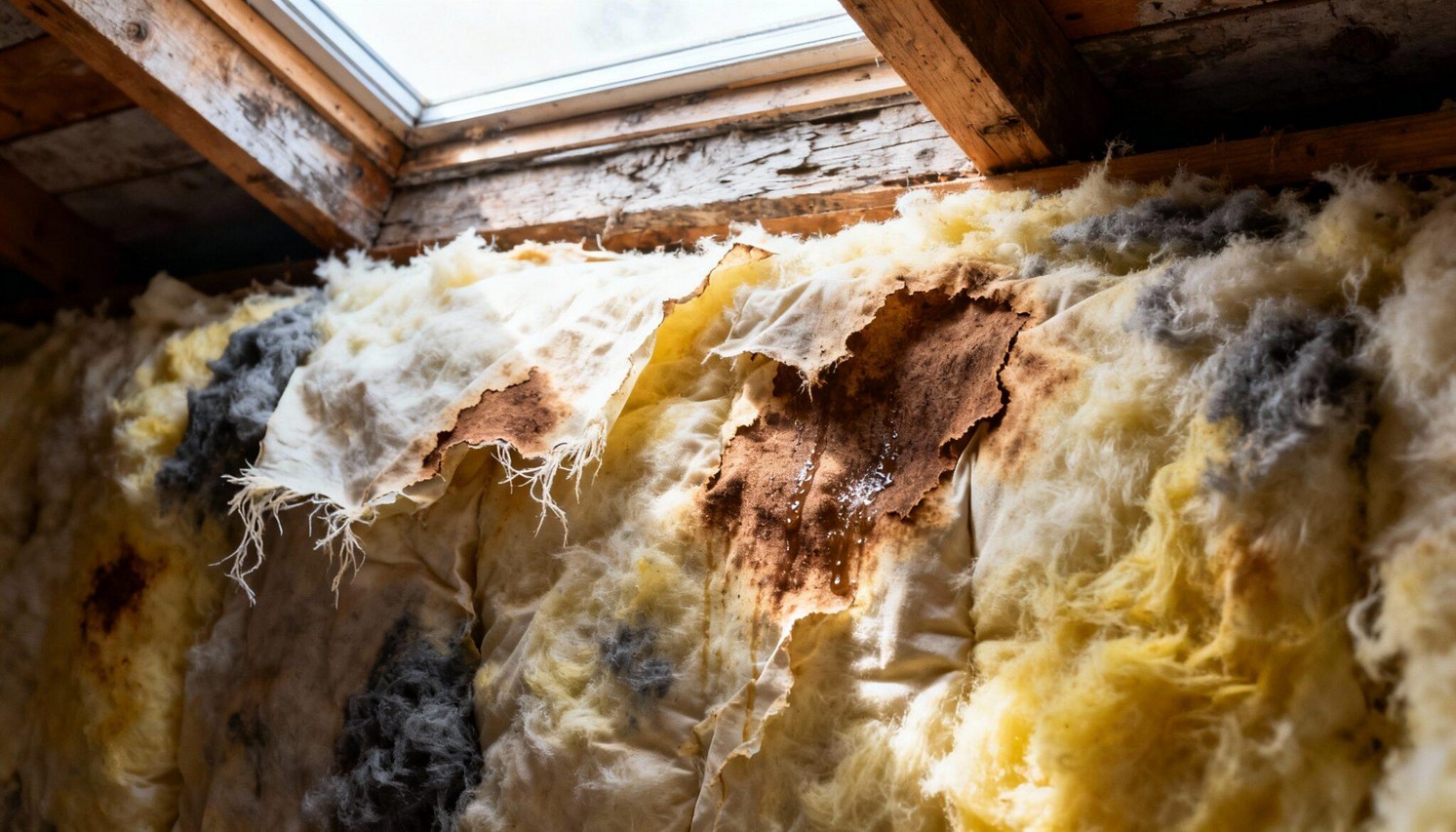
Wet or damp insulation deserves attention. Roof leaks, plumbing problems, condensation, or improperly vented exhaust can introduce moisture into an attic.
The U.S. Department of Energy recommends addressing moisture and air leakage before installing insulation. Air sealing attic-floor penetrations can also help reduce moisture movement into the attic.
If insulation remains visibly wet, stained, or repeatedly exposed to moisture, removal may be necessary after the source has been corrected.
Musty smells, discoloration, or visible growth can indicate a moisture problem requiring investigation. Insulation that has been contaminated should not simply be covered with new material.
Identify the moisture source first, assess the affected area, and determine whether the insulation can safely remain. If contamination is extensive, professional insulation removal in California can help clear affected material before repairs and replacement.
Rodents, birds, and other pests can disturb insulation and leave droppings, nesting material, or odors behind. Damaged or contaminated insulation should be assessed rather than simply covered.
Address entry points and the underlying pest issue before replacement.
Insulation performs best when installed consistently and at an appropriate depth. Flattened sections, large gaps, exposed attic-floor areas, or material that has shifted can reduce the effectiveness of the insulation layer.
Not every uneven area requires full removal. In some attics, adding compatible insulation after air sealing and preparation may be appropriate. The Department of Energy notes that existing blown insulation can sometimes be supplemented after the attic floor is properly prepared.
If you are preparing for extensive air sealing, electrical work, HVAC changes, or a new insulation system, old insulation may need to be moved or removed to provide access.
Simply placing new insulation over unresolved moisture problems or unsealed attic-floor penetrations can hide issues rather than solve them. The DOE recommends air sealing before insulating an existing attic.
| Condition | Typical consideration |
|---|---|
| Clean and dry | May be suitable to keep |
| Lightly compressed | May be redistributed or supplemented |
| Localized water damage | Affected area may require removal |
| Significant contamination | Professional assessment may be appropriate |
| Severe deterioration | Replacement may be recommended |
| Major attic renovation | Removal may be needed for access |
The decision depends on insulation type, condition, damage, attic design, and planned work.
Professional removal begins with an attic inspection to identify the insulation type, moisture or contamination, and removal scope.
The material is removed using methods suited to its type and attic layout, with attention to containing dust and debris. After removal, the attic should be checked for underlying problems such as leaks, air leakage, or ventilation concerns before new insulation is installed.
For homeowners considering attic insulation removal services in California, this preparation matters because replacing insulation without addressing the cause of the original problem can lead to repeated issues.
Before work begins, ask whether the service includes cleanup, moisture or contamination checks, and preparation for replacement insulation.
If you are considering new insulation after removal, you may also want to read Benefits of Professional Attic Insulation Installation. It explains why attic preparation, air sealing, insulation depth, and ventilation should be considered together.
If you see wet insulation, strong musty odors, visible contamination, pest debris, or widespread deterioration, do not assume adding another insulation layer will solve the problem. These conditions warrant an attic assessment.
For homeowners considering old insulation removal in California, the goal is to identify why the insulation is no longer performing properly and prepare the attic for replacement.
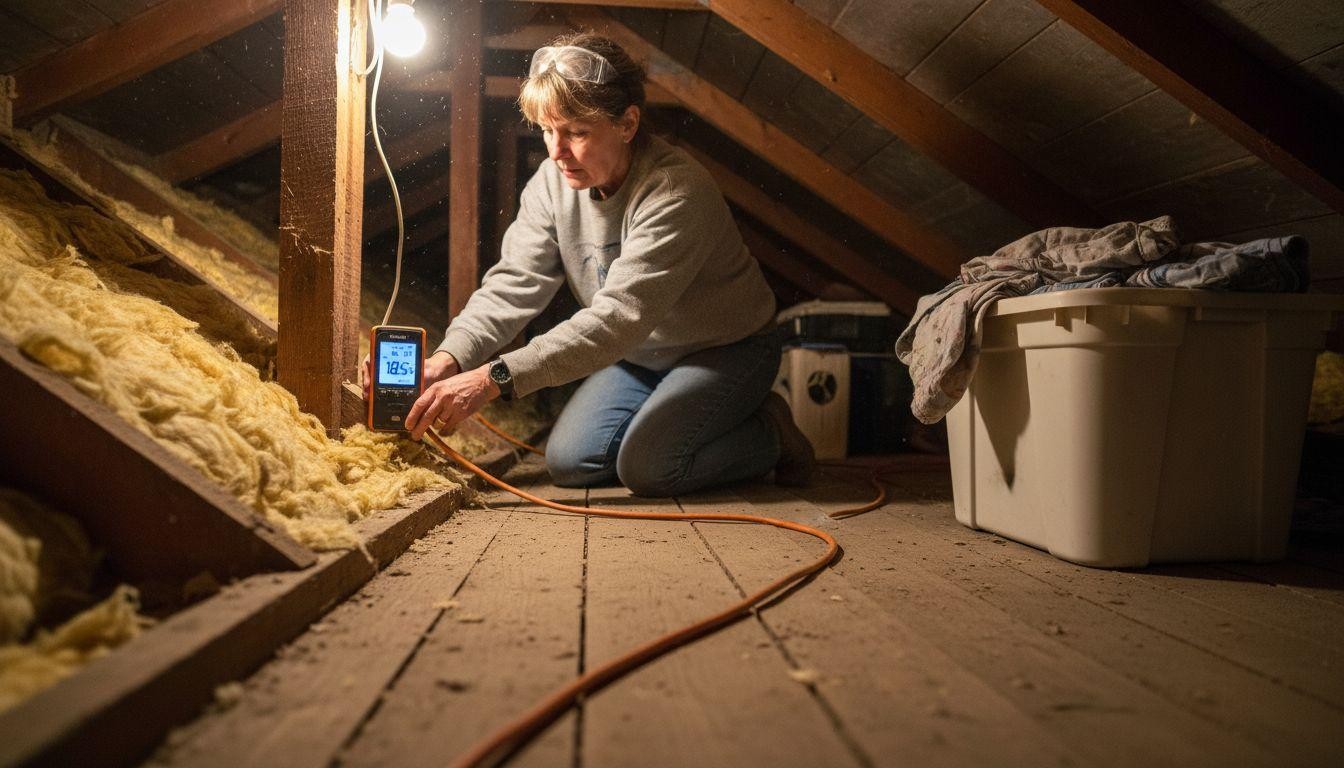
Contact Dustbusters today for professional attic insulation removal and help prepare your attic for a cleaner, more effective insulation system.
No. Clean, dry insulation that remains in good condition may be suitable to keep or supplement. Its condition and the planned attic work should be evaluated first.
Wet or repeatedly moisture-damaged insulation should be professionally assessed. The moisture source should be corrected before deciding whether the material can remain.
Visible mold, musty odors, pest droppings, nesting material, or other signs of contamination can indicate that the insulation needs further inspection and potentially removal.
In some situations, existing insulation can remain and additional insulation can be installed. However, moisture problems, air leaks, contamination, and damaged material should be addressed first.
Same-week appointments available. Honest quote up front.
Discover how new air duct installation in California can improve HVAC airflow, comfort, efficiency, and indoor air quality while reducing ductwork issues.
Professional attic insulation in California can improve home comfort, reduce heat transfer, support HVAC efficiency, and help maintain consistent indoor temperatures year-round.
Learn how dryer vent cleaning in California supports home safety, improves airflow, and helps prevent lint buildup and longer drying times.
Learn why coil cleaning matters for HVAC efficiency, cooling performance, airflow, and equipment care with practical tips for California homeowners.
Learn when air duct cleaning in California is needed, how often ducts should be cleaned, and the benefits of professional duct inspection and cleaning.
Dust and grime can quietly drain your solar output. Learn why regular solar panel cleaning California homeowners rely on keeps systems running at peak efficiency.
Learn how to choose the right HVAC services in California with expert tips on maintenance, repairs, indoor air quality, and keeping your system running.