All posts
California 7 min read
Benefits of Upgrading Your HVAC Ductwork
Discover how new air duct installation in California can improve HVAC airflow, comfort, efficiency, and indoor air quality while reducing ductwork issues.

Discover how new air duct installation in California can improve HVAC airflow, comfort, efficiency, and indoor air quality while reducing ductwork issues.
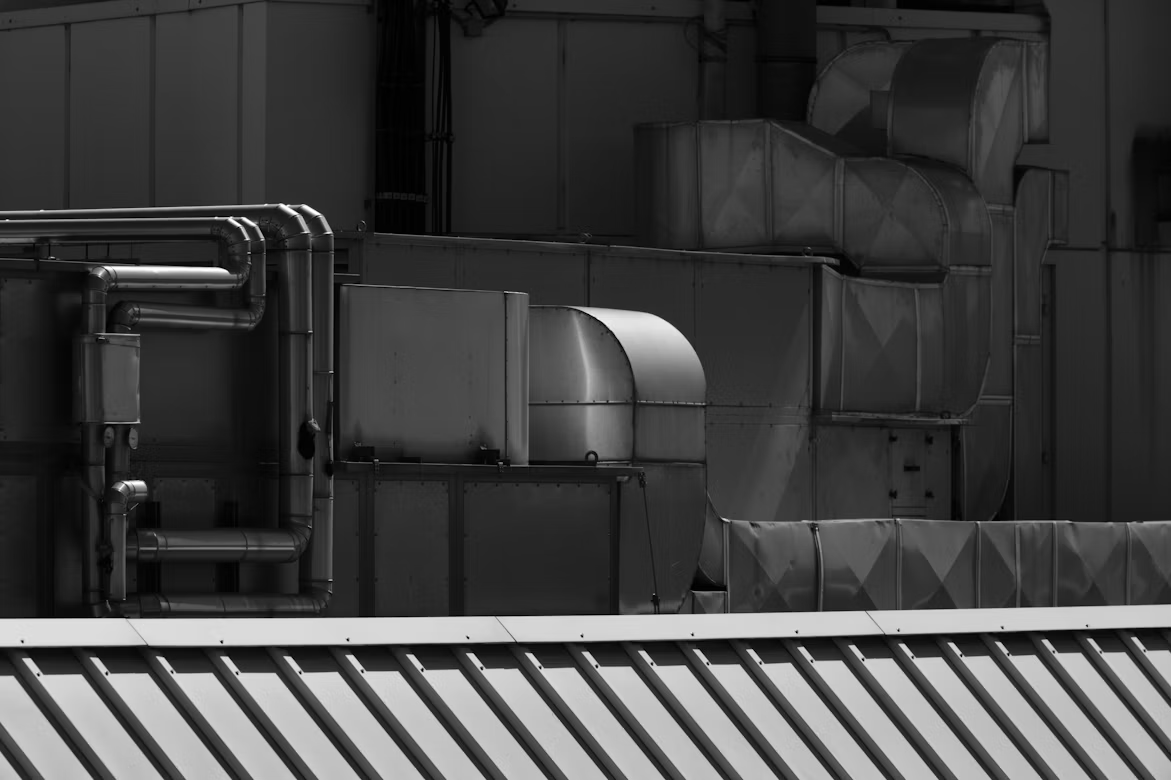
Have you ever adjusted the thermostat because one room feels comfortable while another still feels too warm or cold? The problem may not be the HVAC unit itself. Your ductwork plays a major role in moving conditioned air throughout the home. When ducts are damaged, poorly connected, inadequately insulated, or incorrectly sized, your system may have to work harder to deliver the results you expect. With new air duct installation in California, homeowners can address problems within the air distribution system and create a more reliable path for heated and cooled air.
New ductwork is more than a replacement for visibly damaged ducts. When properly designed and installed, it can improve how conditioned air travels from the HVAC equipment to the rooms where it is needed.
Here are some of the most useful benefits to consider.
A home should not feel like several different climate zones unless you intentionally designed it that way.
Uneven temperatures can sometimes be connected to ductwork problems. Restricted airflow, disconnected sections, leaks, or an inefficient layout can prevent certain rooms from receiving the expected amount of conditioned air.
A properly designed duct system helps distribute air more evenly. This can make it easier to maintain comfortable temperatures across different areas of the home.
If a bedroom consistently feels warmer than the living room, for example, the answer may involve more than simply lowering the thermostat.
Imagine paying to cool air that never reaches the room you want to cool. That is essentially what can happen when ductwork has significant leaks or poorly connected joints.
The U.S. Department of Energy notes that ducts can lose conditioned air through leaks, holes, and poor connections. Proper sealing can reduce these losses and improve distribution-system performance.
New ductwork lets you address these weaknesses from the start, rather than repeatedly dealing with disconnected or deteriorated sections.
When ductwork leaks or loses conditioned air, the HVAC system may need to operate longer to reach the desired indoor temperature. Properly sealed and insulated ducts can help reduce these distribution losses.
The U.S. Department of Energy's Building Science Education resources explain that sealing duct leaks can reduce utility costs and improve comfort, while insulation helps limit heat gain or loss when ducts pass through unconditioned spaces.
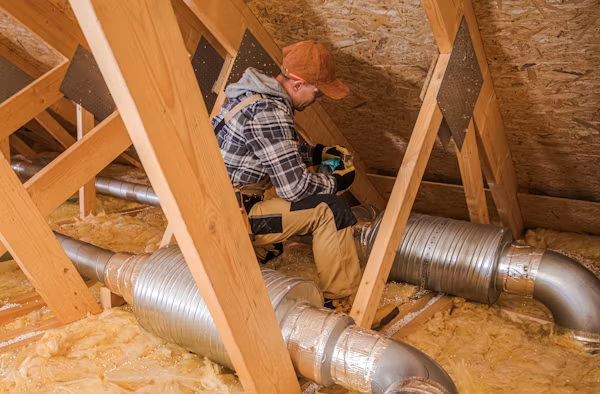
Ducts located in an attic, crawlspace, or another unconditioned area face additional challenges.
During hot or cold weather, the temperature surrounding the ductwork can affect the conditioned air traveling through it. Inadequate insulation can increase unwanted heat transfer, while gaps and leaks can further reduce system performance.
When replacing ductwork, insulation and sealing should therefore be considered alongside the duct layout. The U.S. Department of Energy recommends properly sealing and insulating ducts located outside conditioned space to reduce energy losses.
Homes change. Rooms are added, walls are moved, HVAC equipment is replaced, and renovations can alter how air needs to travel. A duct system designed for an older configuration may not be the best fit for the home today.
Professional HVAC duct installation in California can account for factors such as duct sizing, airflow requirements, available space, insulation needs, and the relationship between the ductwork and HVAC equipment.
Instead of simply replacing one damaged section after another, homeowners can evaluate whether the entire distribution system still makes sense.
| Ductwork Issue | What You May Notice | How an Upgrade Can Help |
|---|---|---|
| Air leaks | Uneven temperatures or longer HVAC cycles | Proper sealing can reduce conditioned-air loss |
| Poor insulation | Rooms feel warmer or cooler than expected | Appropriate insulation can reduce unwanted heat transfer |
| Incorrect duct sizing | Weak or inconsistent airflow | Proper sizing can support more balanced air distribution |
| Damaged or crushed ducts | Restricted airflow and reduced comfort | Replacement can restore a more effective airflow path |
| Outdated duct layout | Certain rooms receive inadequate airflow | A redesigned layout can better suit the home's current needs |
| Loose connections | Air escaping around joints | Secure connections and sealing can improve system performance |
Not every duct problem requires complete replacement. In some cases, sealing, insulation, or targeted repairs may be enough.
Replacement may deserve consideration when you notice:
A professional inspection can help determine whether repairs or duct installation services in California are the more practical option.
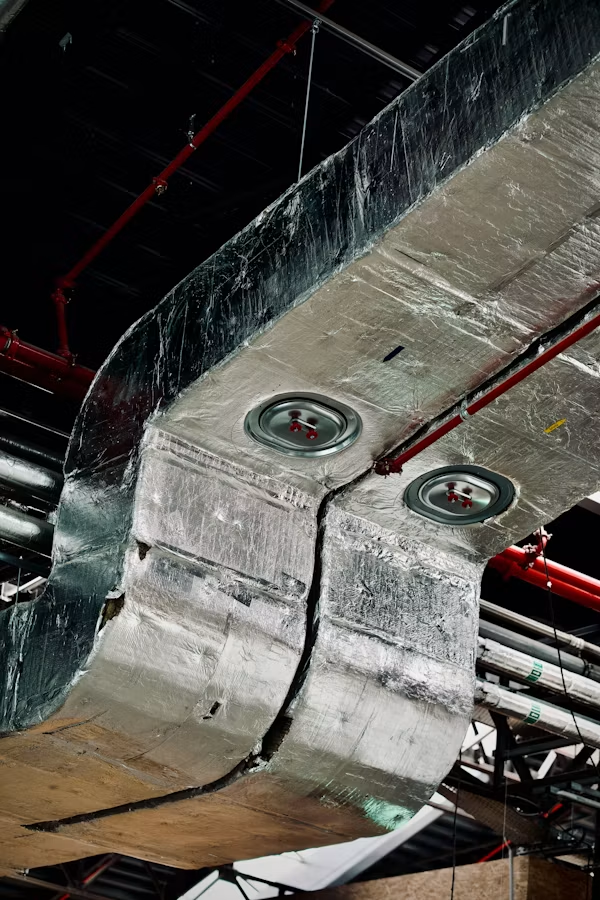
Replacing ductwork should not be treated as an isolated project. The ducts, air handler or furnace, air conditioner or heat pump, returns, insulation, and controls all contribute to how the system performs.
A good installation considers the complete air distribution system rather than focusing only on visible duct damage. Proper sizing, routing, connections, sealing, and insulation can make the new system a better match for the home's needs.
Dustbusters provides new air duct installation services for homeowners who need to replace outdated or problematic ductwork. The right approach starts with understanding the existing system, identifying its weaknesses, and determining what type of upgrade makes sense for the property.
Talk with our team about whether sealing, repair, or new duct installation makes the most sense for your home.
It can be worthwhile when ductwork has extensive leaks, damage, poor insulation, airflow restrictions, or an outdated design that affects comfort and system performance.
The useful life of ductwork varies based on its material, installation quality, location, insulation, moisture exposure, and maintenance. Age alone does not always mean replacement is necessary.
Yes. Properly designed and sized ductwork can provide a better path for conditioned air. However, airflow also depends on the HVAC equipment, returns, filters, and overall system design.
Ducts located in unconditioned spaces generally need appropriate insulation to limit unwanted heat transfer. The exact requirements depend on the duct system and applicable building standards.
The answer depends on the condition and design of the existing system. Minor leaks or isolated damage may be repairable, while widespread deterioration, poor design, or repeated failures may make replacement more practical.
Same-week appointments available. Honest quote up front.
Professional attic insulation in California can improve home comfort, reduce heat transfer, support HVAC efficiency, and help maintain consistent indoor temperatures year-round.
Learn how dryer vent cleaning in California supports home safety, improves airflow, and helps prevent lint buildup and longer drying times.
Learn why coil cleaning matters for HVAC efficiency, cooling performance, airflow, and equipment care with practical tips for California homeowners.
Learn when air duct cleaning in California is needed, how often ducts should be cleaned, and the benefits of professional duct inspection and cleaning.
Dust and grime can quietly drain your solar output. Learn why regular solar panel cleaning California homeowners rely on keeps systems running at peak efficiency.
Learn how to choose the right HVAC services in California with expert tips on maintenance, repairs, indoor air quality, and keeping your system running.