All posts
California 7 min read
Why Coil Cleaning Is Essential for HVAC Efficiency
Learn why coil cleaning matters for HVAC efficiency, cooling performance, airflow, and equipment care with practical tips for California homeowners.
Learn why coil cleaning matters for HVAC efficiency, cooling performance, airflow, and equipment care with practical tips for California homeowners.
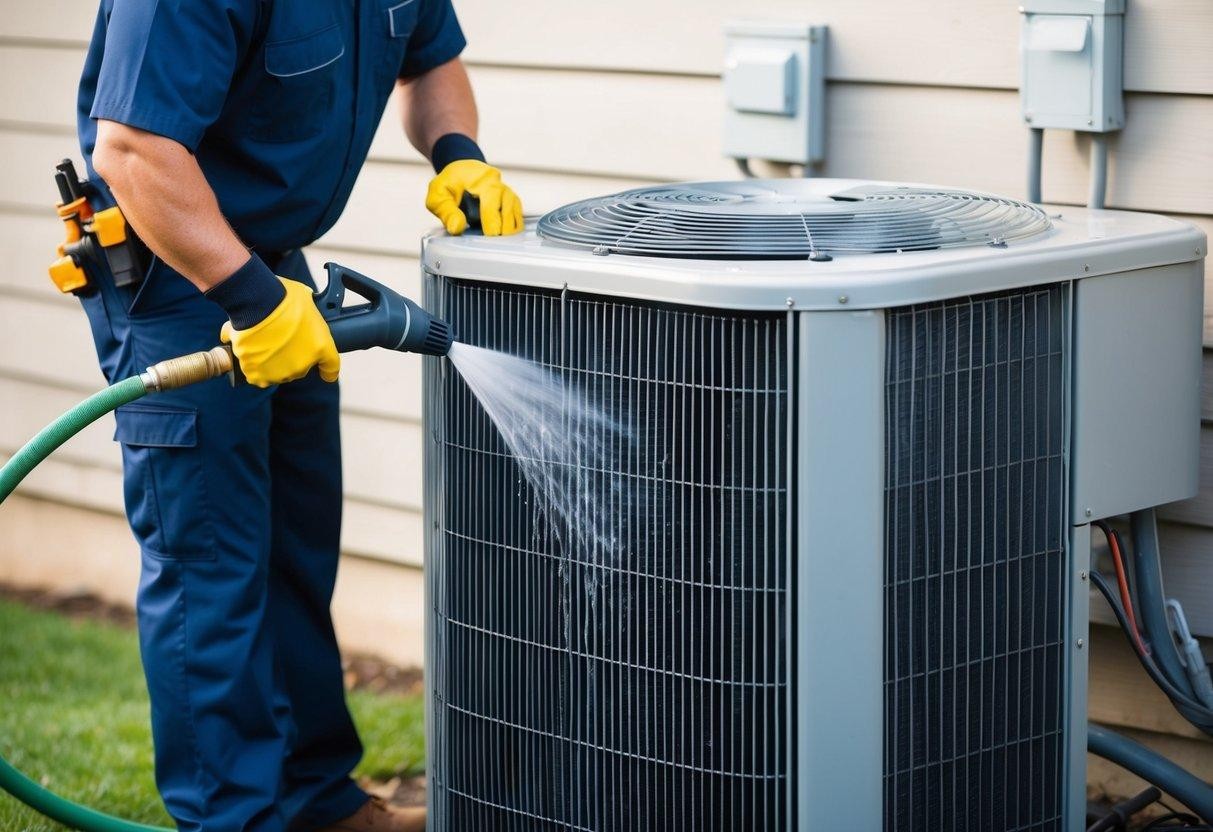
Have you noticed your AC running longer than usual without making the room noticeably cooler? Dirty coils could be part of the problem. Coil cleaning in California is not simply an optional add-on to HVAC maintenance, it helps the system transfer heat as designed and maintain consistent cooling performance.
For an air conditioner to work efficiently, both the indoor evaporator coil and outdoor condenser coil need adequate airflow and clean heat-transfer surfaces. Over time, dust, dirt, pollen, grass clippings and other debris can accumulate on these components. The result is a system that may have to work harder and run longer to achieve the same level of comfort.
AC coil cleaning in California services are important because clean coils help your HVAC system transfer heat efficiently. The evaporator coil absorbs indoor heat, while the condenser coil releases it outdoors. Dirt buildup can reduce cooling performance and increase system runtime, That’s why regular coil cleaning is considered an important part of routine HVAC maintenance.
The U.S. Department of Energy also recommends routine air-conditioning maintenance, including periodic checks of coils, to help maintain efficient performance.
In practical terms, coil cleaning can help:
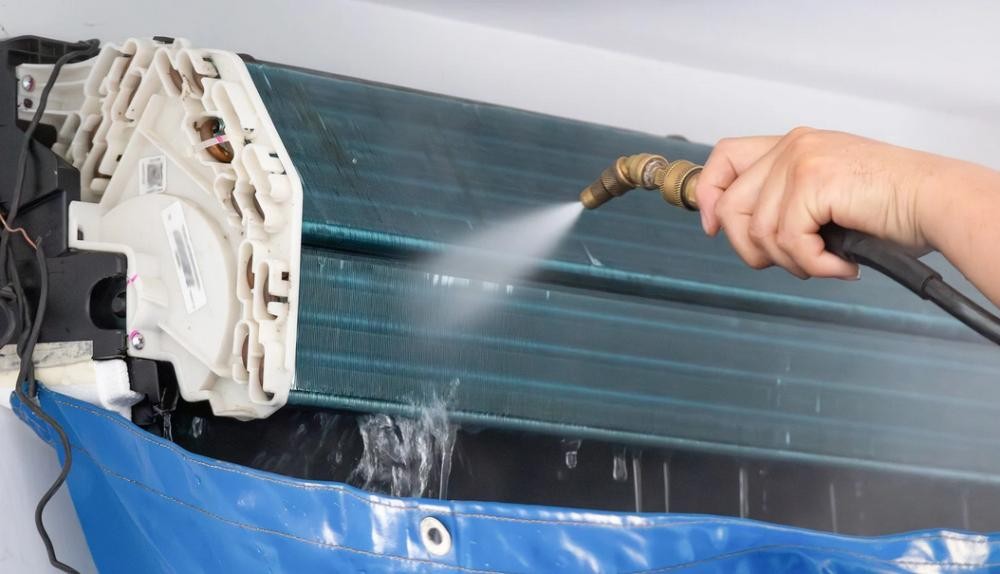
A dirty coil acts as a barrier to effective heat transfer. Indoor evaporator coils can collect dust and airborne particles, while outdoor condenser coils accumulate leaves, grass, seeds, and dirt. As buildup increases, airflow and efficiency can decline, making regular inspection and cleaning important.
Understanding the difference between the two coils helps explain why comprehensive evaporator coil cleaning in California is different from simply rinsing the outdoor unit.
| Coil | Location | Main Job | Common Buildup |
|---|---|---|---|
| Evaporator coil | Indoor air handler | Absorbs heat from indoor air | Dust, pet dander, biological buildup |
| Condenser coil | Outdoor unit | Releases heat outdoors | Dirt, leaves, grass, outdoor debris |
Both coils are part of the same heat-transfer process. If one is heavily restricted, the entire cooling cycle can be affected.
This is also why cleaning only the easily accessible outdoor unit does not necessarily solve an HVAC efficiency problem. A technician should evaluate the condition of both coils and determine whether cleaning is actually needed.
There is no universal calendar date that guarantees every HVAC system needs coil cleaning. Usage, outdoor conditions, equipment design, filter maintenance and the surrounding environment all matter.
However, homeowners should pay attention to warning signs such as:
A good rule of thumb is to have the coils inspected during regular HVAC maintenance rather than waiting for obvious performance problems.
Coil fins are delicate, and aggressive brushing, harsh chemicals, or excessive water pressure can cause damage and restrict airflow. Professional condenser coil cleaning in California can help address heavy buildup safely without damaging fins or nearby components.
Indoor evaporator coils can be harder to access, so professional cleaning should also consider the condensate drain, filter, and overall airflow path. A clean coil cannot compensate for other underlying HVAC issues.
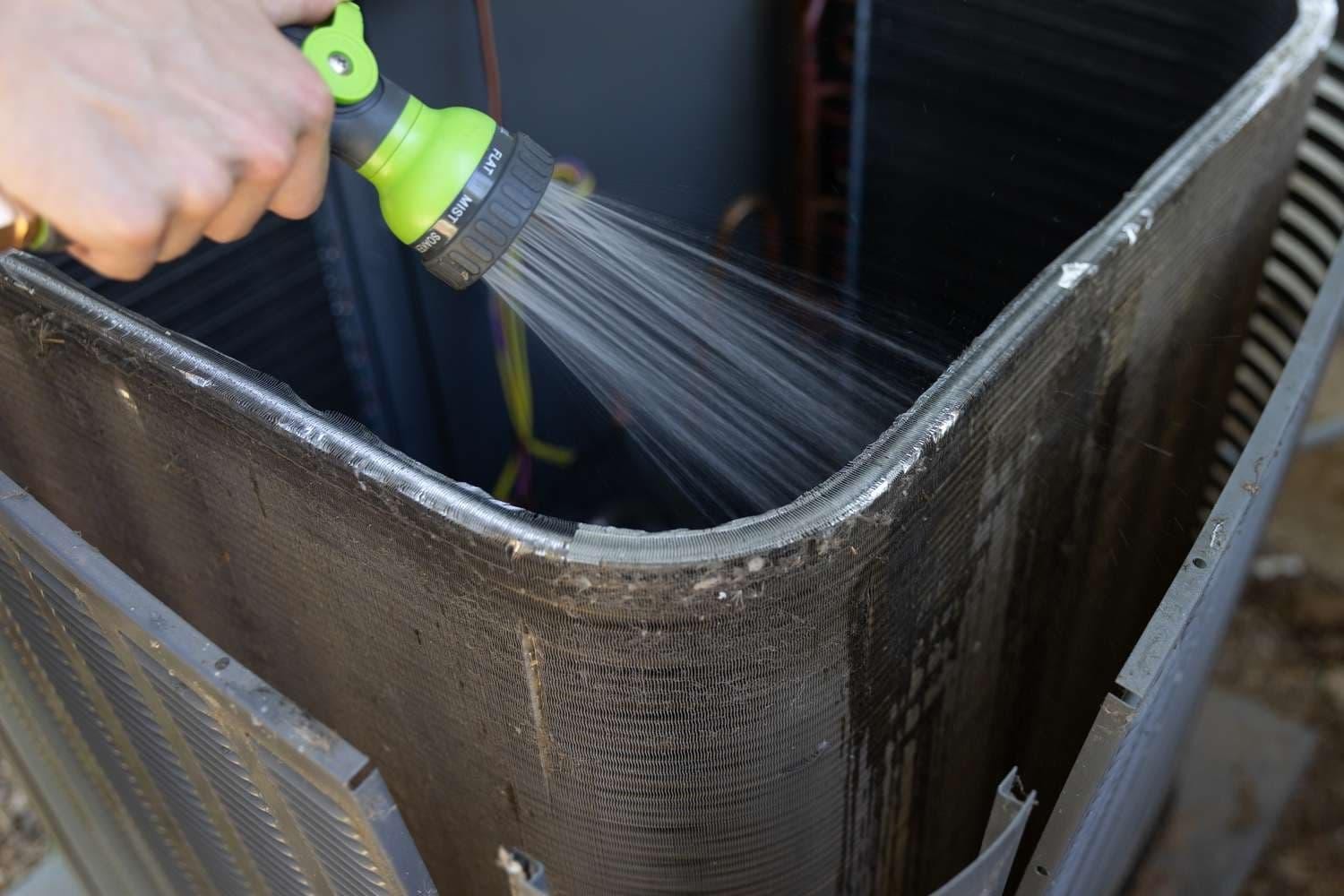
While the exact process varies by equipment and coil condition, a professional service generally involves:
Dustbusters provides professional coil cleaning services designed to address both evaporator and condenser coils as part of HVAC system care.
Clean coils are only one part of proper HVAC maintenance. Check filters regularly, keep outdoor units free of debris, and ensure airflow is unobstructed. During heavy-use periods, inspect filters monthly and replace them as needed based on the filter type and conditions.
For more maintenance tips, see Complete Guide to HVAC Services in California: What Every Homeowner Should Know
Regular inspection and cleaning can help keep dirt from interfering with heat transfer and airflow. If your AC runs longer, cools unevenly, or struggles to perform, checking the coils can help identify a potential maintenance issue.
Keep your HVAC system performing efficiently with professional coil cleaning services from Dustbusters.
Same-week appointments available. Honest quote up front.
Learn how regular HVAC maintenance in California can reduce avoidable costs, improve indoor comfort, and help keep your heating and cooling system reliable.
Learn how to choose the best air duct cleaning company in California by comparing inspection methods, equipment, service scope, credentials, and cleaning practices.
Learn how to improve indoor air quality in California year-round with better ventilation, filtration, humidity control, and practical home air solutions.
Learn the key signs of old attic insulation removal in California, including moisture, mold, pests, damage, and major attic upgrades.
Discover how new air duct installation in California can improve HVAC airflow, comfort, efficiency, and indoor air quality while reducing ductwork issues.
Professional attic insulation in California can improve home comfort, reduce heat transfer, support HVAC efficiency, and help maintain consistent indoor temperatures year-round.
Learn how dryer vent cleaning in California supports home safety, improves airflow, and helps prevent lint buildup and longer drying times.
Learn when air duct cleaning in California is needed, how often ducts should be cleaned, and the benefits of professional duct inspection and cleaning.
Dust and grime can quietly drain your solar output. Learn why regular solar panel cleaning California homeowners rely on keeps systems running at peak efficiency.
Learn how to choose the right HVAC services in California with expert tips on maintenance, repairs, indoor air quality, and keeping your system running.