Living Rural Near Crows Landing? Your HVAC Is Working Twice as Hard
Rural Stanislaus properties pull in more dust, more pollen, and more debris than homes in town. Here's how to stay ahead of it before harvest season makes it worse.
Rural Stanislaus properties pull in more dust, more pollen, and more debris than homes in town. Here's how to stay ahead of it before harvest season makes it worse.
Key Takeaways
Rural properties near Crows Landing pull in far more fine dust, pollen, and ag debris than in-town homes, which puts extra strain on HVAC systems year-round.
Stanislaus County regularly ranks among the worst counties in the nation for fine particulate pollution during winter inversion and harvest season.
A decade of neglect typically means matted evaporator coils, clogged duct runs, and sometimes rodent debris that carries real health risks.
MERV 11–13 pleated filters, changed every 30–60 days, are the realistic minimum for rural dust loads standard fiberglass filters barely help.
Duct cleaning every 2–3 years, annual dryer vent service, and coil cleaning at every other A/C tune-up keep rural systems running efficiently.
Living outside city limits shouldn't mean a bigger invoice service should come without hidden travel or fuel surcharges.
Not sure where to start? The right hvac services in California can catch dust, pollen, and hidden contaminants that a homeowner alone simply can't reach here's the full picture.
Rural Air Is Not Clean Air (Not Anymore)
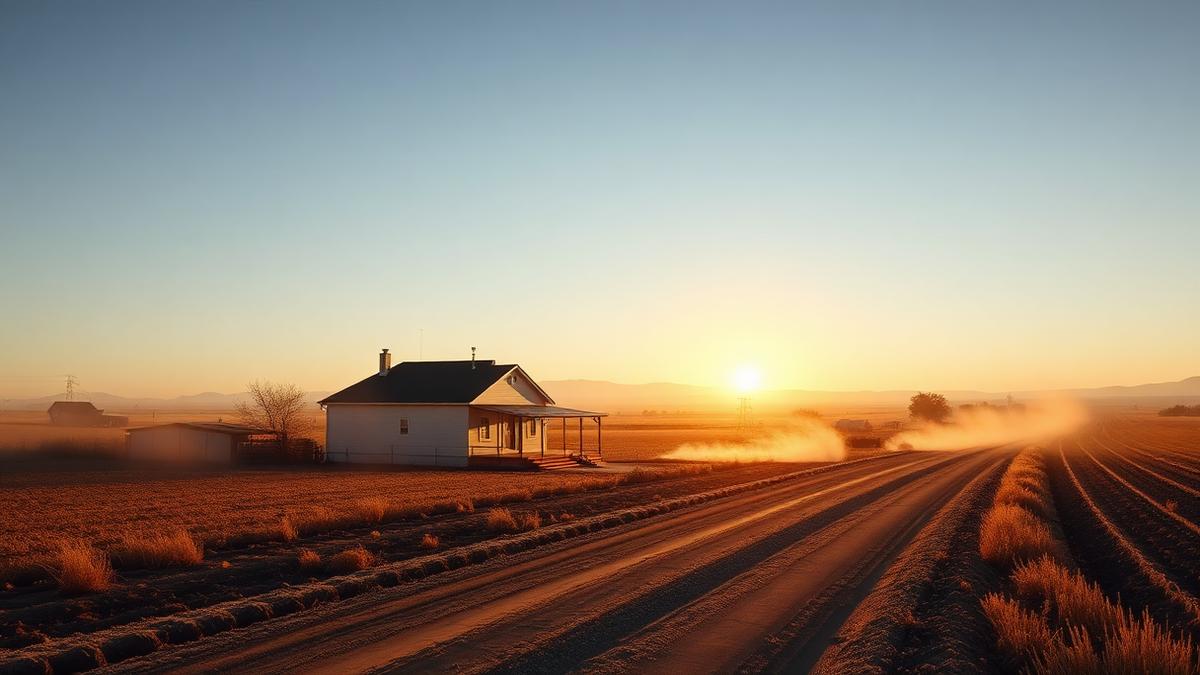
Crows Landing and the ag country around it don't share the same air quality problems as a town home on the east side of Modesto they have bigger ones. When your nearest neighbour is half a mile away and prevailing winds carry dust off open fields and dirt roads for most of the year, the volume of fine particulate moving through your home is in a different league entirely. Your HVAC system is the only real barrier between that environment and every breath your family takes indoors.
Most of the ranch-style homes we service out here are single-story, with long horizontal duct runs threading through unconditioned crawlspaces or attics. Many were built in the 1960s and '70s on a simple assumption: country air is clean air. That assumption hasn't aged well. The U.S. EPA notes that indoor particulate levels are directly shaped by outdoor conditions, and homes near heavy agricultural activity absorb the brunt of it. Stanislaus County regularly ranks among the worst counties in the nation for fine particulate pollution during winter inversion season and harvest, and rural properties catch every bit of it plus dust kicked up by tractors, harvesters, and the unpaved access roads that connect the area.
What's Really Living in a Decade-Old Duct System
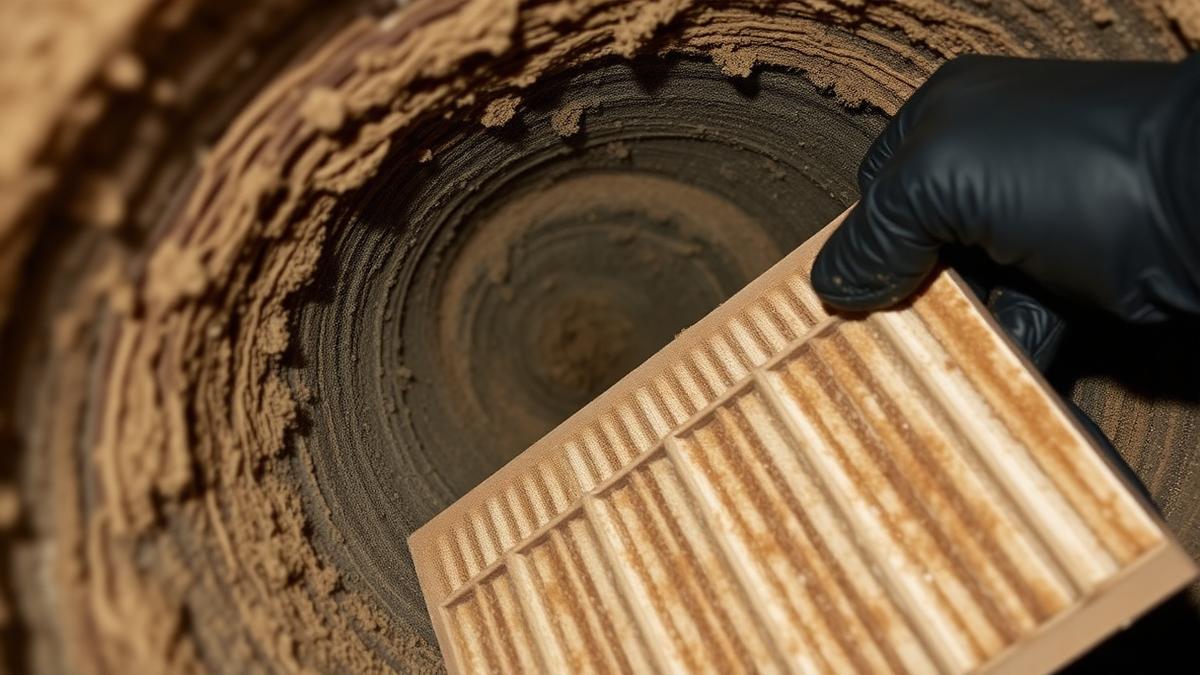
Here's what we typically pull out of a Crows Landing home that hasn't had its system cleaned in ten-plus years: a thick coating of fine ag dust lining every supply duct, pollen residue from whatever crop is currently in season nearby, loose insulation fibres shed from aging fiberglass duct wrap, and more often than homeowners expect rodent debris. The evaporator coil above the furnace usually looks the same, matted enough to choke A/C efficiency and force longer, harder cooling cycles. A blower wheel in that condition doesn't just run less efficiently; it works against you every single day it's ignored.
What We Typically Find in an Uncleaned Rural System
Rodent Intrusion: The Risk Nobody Wants to Talk About
Rodent intrusion is more common in rural homes than most people admit. Mice find their way into attics, crawlspaces, and occasionally straight into the duct system through unsealed register boots or damaged sections. When that happens, dust is the least of your worries; nesting material and droppings introduce a genuine hantavirus risk, a concern public health officials take seriously in agricultural regions. Any sign of nesting debris, droppings near a register, or a sudden bad smell when the heat kicks on deserves an immediate inspection, not a wait-and-see approach. Remediating this kind of contamination properly requires the right protective gear and a process that doesn't spread the problem further through the ductwork.
Filter Strategy Built for Dust, Not Averages
The standard fiberglass filters sold at the home centre catch almost none of the fine particulate rural Stanislaus properties deal with. They're built for average suburban dust loads, and Crows Landing simply isn't average. A pleated MERV 11 filter is the realistic minimum, swapped every 60 days in dry season and every 30 days during harvest. If your system can handle the added airflow resistance—and most modern systems can—MERV 13 performs even better against the fine, smoke- and bacteria-sized particles common near ag operations. The California Air Resources Board points to wind-blown agricultural dust and pollen as major contributors to the coarse particulate that rural homes deal with daily. Running the HVAC fan on “circulate” mode for about 15 minutes an hour during high-dust events also keeps air moving through that filter instead of settling in your ducts.
MERV Rating Comparison for Rural HVAC Filters
MERV Rating
Particle Size Captured
Typical Efficiency
Best For
1–4
Above 10.0 microns
Under 20%
Basic window units; not recommended for ag-dust areas
5–8
3.0–10.0 microns
Around 20–35%
Standard residential filters; limited fine-dust control
11
1.0–3.0 microns
Roughly 65%+
Minimum recommended for rural Crows Landing homes
13
0.3–1.0 microns
50%+ on fine particles
Best rural performance where the system can handle it
How Often Rural Systems Actually Need Service
Cleaning frequency for rural homes needs to run more aggressive than the schedule that works fine for a town home in Modesto. The extra dust load simply doesn't give a system the same breathing room, and stretching out service intervals just means paying for it later in higher energy bills and shorter equipment life.
Recommended Maintenance Frequency: Rural vs. In-Town Properties
Service
Rural Properties (Crows Landing)
In-Town Properties
Air duct cleaning
Every 2–3 years
Every 3–5 years
Dryer vent cleaning
Annually
Every 1–2 years
Evaporator coil cleaning
Every other A/C tune-up
Roughly every 2–3 tune-ups
Filter replacement
Every 30 days (harvest) / 60 days (dry season)
Every 60–90 days
Insulation inspection
After any rodent activity or major repair
As needed
No Surcharge for the Long Driveway
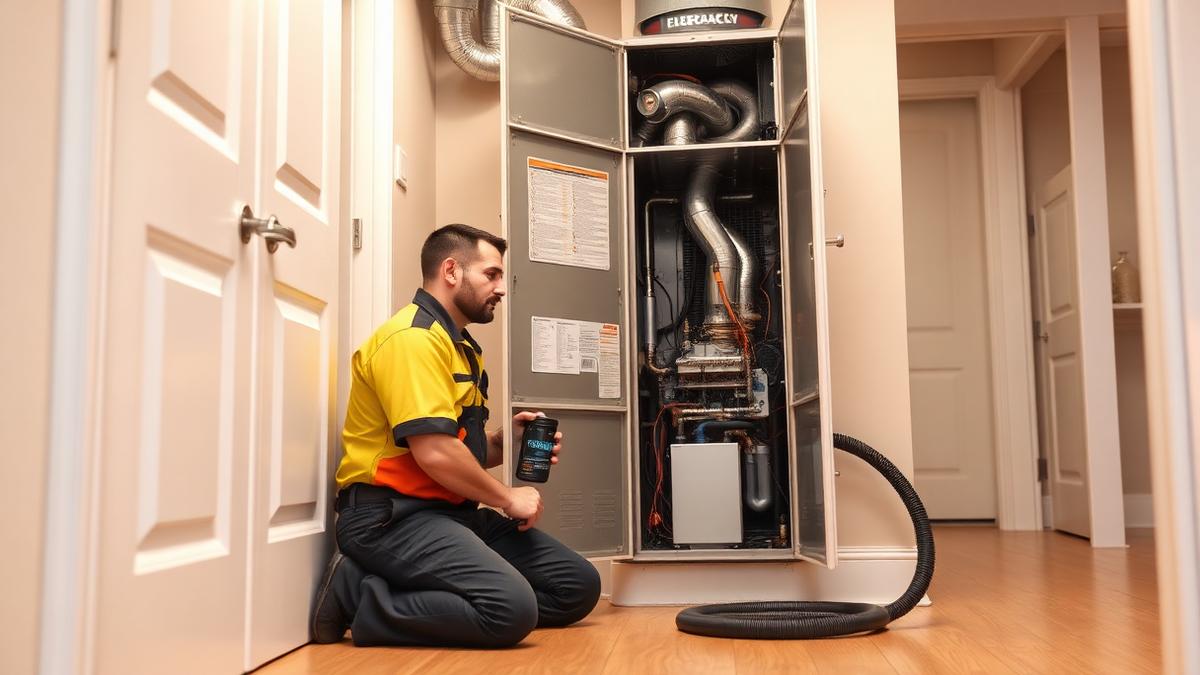
We make the drive out to Crows Landing without tacking on a travel fee. Long driveways, gated properties, dogs in the yard we handle it the same way we'd handle a job two minutes from our shop. A lot of duct cleaning companies either skip this area entirely or charge a fuel surcharge that nearly doubles the invoice. Dustbusters doesn't. Same family-owned crew, same pricing as our in-town customers, same equipment built for properties this size.
If you've owned your Crows Landing property for years and never had the system properly cleaned, the difference after a thorough job is dramatic cleaner air, lower bills, and equipment that lasts years longer than it would running dirty. A free in-home assessment is the easiest way to see what's actually inside your ducts before anyone quotes you a number.
Frequently Asked Questions
How often should I clean air ducts in a rural home near Crows Landing, CA?
+
Most rural Stanislaus properties need duct cleaning every 2 to 3 years, noticeably more often than the 3-to-5-year window that works for in-town homes. The extra ag dust, pollen, and dirt-road debris build up faster and reduce airflow if left unaddressed.
What MERV rating filter is best for a home near farmland or ag dust?
+
A pleated MERV 11 filter is the realistic minimum for rural, dust-heavy properties, changed every 30 to 60 days depending on the season. MERV 13 offers better protection against fine particulate if your HVAC system can handle the added airflow resistance.
Can dirty air ducts really cause health problems from rodents?
+
Yes. Mice commonly nest in attics, crawlspaces, and even duct systems in rural areas, and their droppings and nesting material can introduce a hantavirus risk. Any sign of nesting debris, droppings near a register, or an unusual smell when the heat runs warrants a professional inspection right away.
Does living far from town mean I'll pay more for HVAC or duct cleaning services?
+
It shouldn't. Many companies add travel or fuel surcharges for rural properties, but that isn't universal — some providers charge the same rate for Crows Landing as they do for in-town customers, regardless of long driveways or gated access.
Ready to schedule in Crows Landing?
Same-week appointments available. Honest quote up front.