All posts
Denair, CA 6 min read
Why Your Denair PG&E Bill Is So High (Hint: Look in the Attic)
Most Denair homes are under-insulated by modern standards. Here's how to check your own attic and why insulation beats windows, HVAC, and solar for ROI.

Most Denair homes are under-insulated by modern standards. Here's how to check your own attic and why insulation beats windows, HVAC, and solar for ROI.
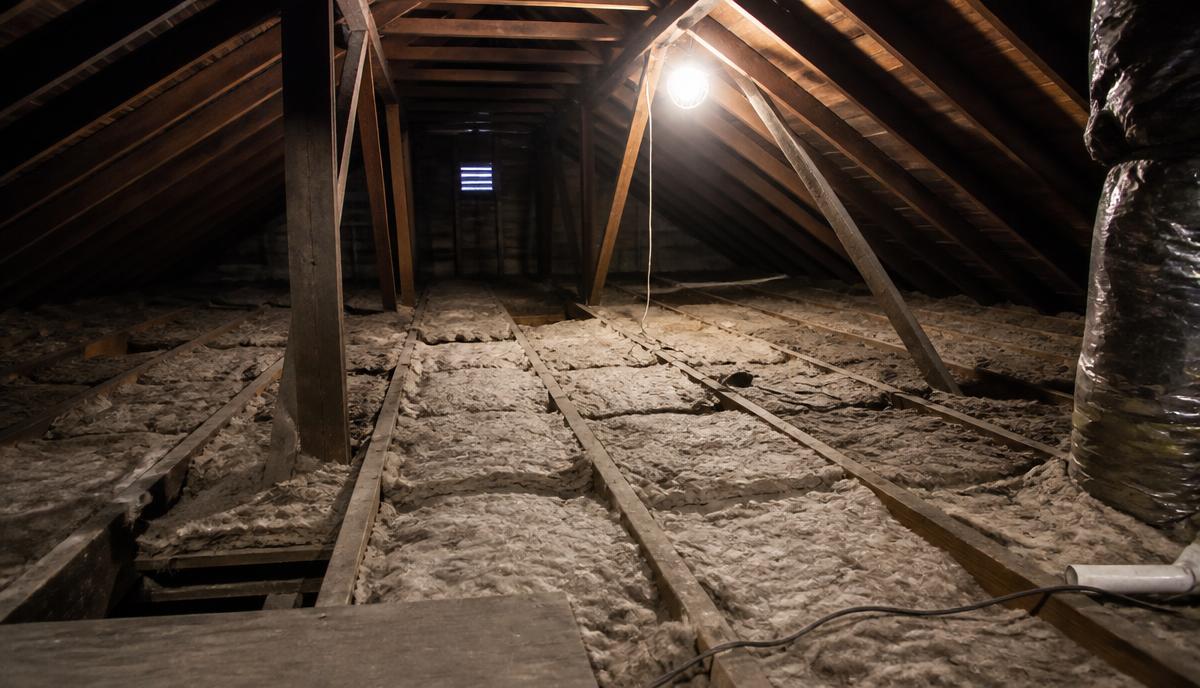
Denair PG&E bills in July and August are not for the faint of heart. Triple-digit afternoons mean the air conditioner runs nearly nonstop, and if the attic insulation is still the original material from whenever the house was built, a good chunk of that cooling is leaking straight out through the ceiling before it ever has a chance to do its job. Homeowners who eventually call about attic insulation removal in California after finally checking their attic are almost always surprised by how thin the material actually is up there, especially compared to what current building code requires.
Here's the part that surprises most people: insulation is the single highest-ROI home improvement available in this climate, ahead of new windows, a new HVAC system, and solar, in that exact order of bang for the buck. None of those other upgrades matter much if the conditioned air they're helping produce or preserve is simply escaping through an under-insulated ceiling the whole time.
It's a strange blind spot, considering how much attention homeowners give to the systems that use energy compared to the envelope that's supposed to contain it. A brand-new, top-of-the-line air conditioner working against a leaky, under-insulated attic is still fighting an uphill battle every single afternoon it just fights that battle more efficiently than an old unit would. Fixing the envelope first means every other upgrade, including a future HVAC replacement, performs closer to its actual rated efficiency instead of compensating for heat loss that never needed to happen.
There's a quick way to get a rough answer without hiring anyone: go up into the attic with a flashlight and look at the insulation depth relative to the ceiling joists. Standard joists in older homes run about 3.5 inches deep. If the insulation sits even with the top of the joists or lower, the attic is well under modern standards. If it's roughly six inches above the joists, it's in better shape but likely still below current code. R-38 in blown fiberglass or cellulose runs roughly 13 to 14 inches deep and most Denair attics inspected come in at only five to seven inches.
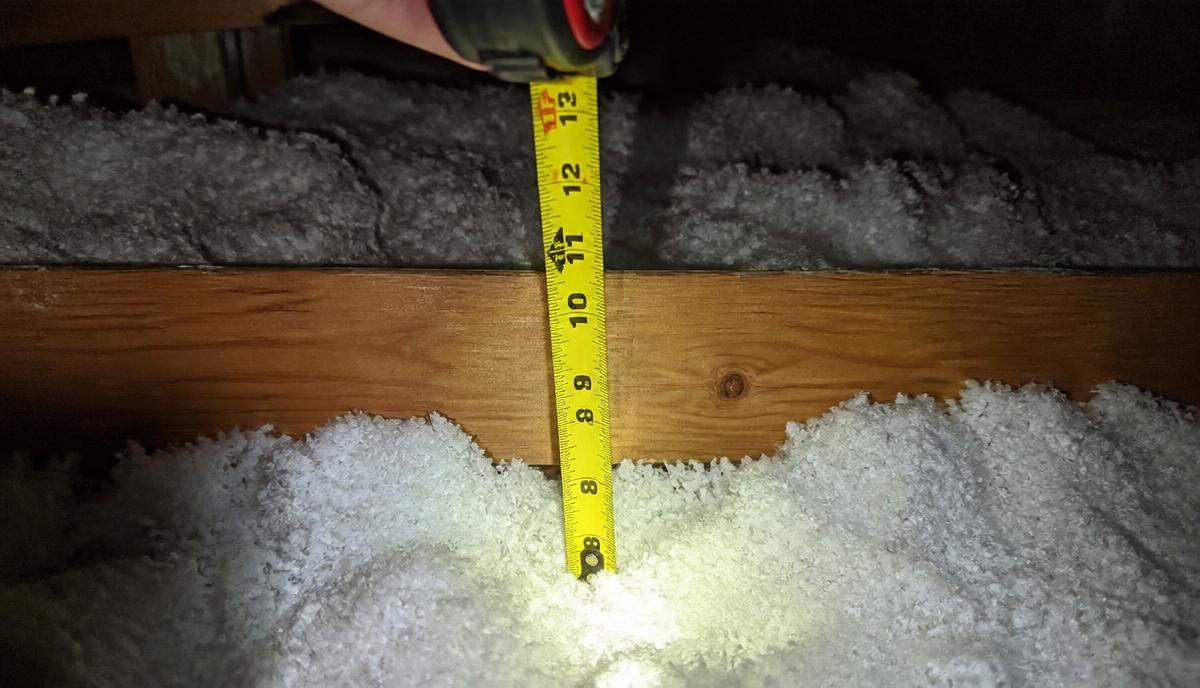
| What You See in the Attic | Approximate R-Value | What It Means |
|---|---|---|
| Insulation even with or below joist tops | Roughly R-11 to R-13 | Significantly under code; losing conditioned air year-round |
| Insulation about 6 inches above joists | Roughly R-19 to R-22 | Better than nothing, but still below the current R-38 standard |
| Insulation 13 to 14 inches deep | Roughly R-38 | Meets the current Central Valley code minimum |
Every home efficiency upgrade eventually pays for itself, but not on the same timeline, and insulation sits well ahead of the alternatives most homeowners consider first. An insulation upgrade typically pays for itself in three to six years and then keeps saving for the next thirty. Solar, by comparison, often takes eight to twelve years to pay back at current rates a much longer runway before the investment turns into pure savings.
| Upgrade | Typical Payback Period |
|---|---|
| Attic insulation | 3 to 6 years, then savings continue for decades |
| New energy-efficient windows | Considerably longer than insulation in most Central Valley homes |
| New high-efficiency HVAC system | Meaningful savings, but limited if the attic is still leaking conditioned air |
| Solar panel system | Typically 8 to 12 years at current utility rates |
This isn't a made-up benchmark it's the actual law. California's Title 24 Building Energy Efficiency Standards, maintained by the California Energy Commission, currently require R-38 attic insulation for new construction in most of the state's climate zones, including the Central Valley. Existing homes aren't legally required to retrofit up to that standard unless they're undergoing a major renovation, which is exactly why so many older Denair homes have simply never been brought up to code nobody's forcing the issue, so the original, aging insulation just stays in place decade after decade, quietly losing effectiveness the whole time.
A handful of issues come up specifically in Denair-area attics that don't show up nearly as often in town. Rodent contamination is the big one country properties see far more mice and rats moving through the attic than in-town homes, and any insulation they've contaminated has to be fully removed before new material goes in, since simply blowing new insulation over contaminated material defeats the purpose entirely. Older homes off Zeering and Main Street often still have knob-and-tube wiring, which carries specific insulation restrictions for fire safety reasons that a standard blow-in job has to account for. And non-IC-rated recessed lighting cans, common in homes from certain remodeling eras, can't be buried in insulation at all without creating a genuine fire hazard.
None of these three issues are visible from the attic hatch on a quick glance, which is exactly why a proper inspection matters more than a homeowner's own flashlight check. A rodent problem from three winters ago can leave insulation looking mostly intact at a glance while still carrying enough contamination underneath to keep affecting indoor air. Catching these issues before a crew shows up to blow in new material saves a return trip and keeps the job from stalling halfway through.
| Denair-Specific Issue | Why It Matters | What Has to Happen First |
|---|---|---|
| Rodent contamination | Contaminated insulation traps odor, waste, and reduced R-value | Full removal of contaminated material before new insulation goes in |
| Knob-and-tube wiring | Carries fire-safety insulation restrictions under code | Wiring assessment and compliant clearance before installation |
| Non-IC-rated recessed cans | Burying them in insulation creates a fire hazard | Replacement with IC-rated fixtures or fire-rated covers first |
Old, contaminated, or rodent-soiled insulation doesn't just lose its thermal performance it also off-gases dust and allergens into the living space through ceiling penetrations, recessed lights, and HVAC chases. Replacing it with fresh material eliminates that source entirely, and many homeowners notice fewer allergy symptoms within about a week of an attic insulation refresh, separate from any other air quality work. On the efficiency side, the numbers line up with what national research already shows: ENERGY STAR's guidance on attic sealing and insulation estimates that homeowners can save an average of 15% on heating and cooling costs by properly sealing and insulating an attic, a range that lines up closely with the 10 to 25% reduction independent studies have found for insulation upgrades specifically.
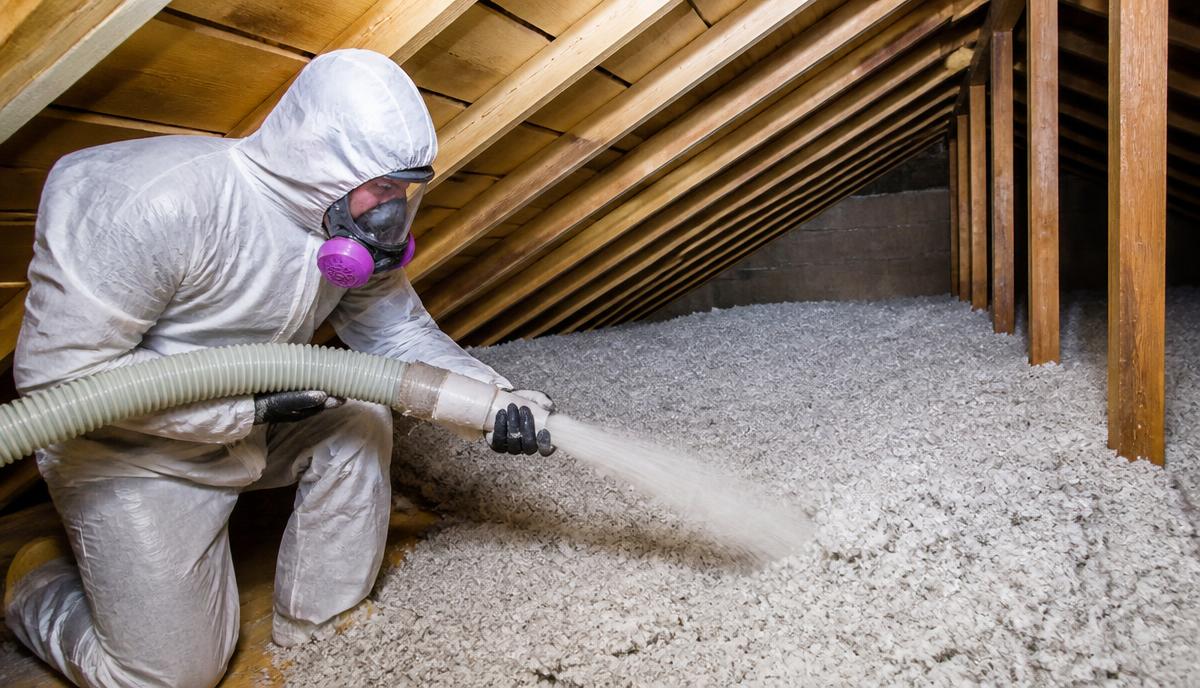
The only way to know for certain what's happening in a specific attic is to actually look, measure, and photograph it not guess based on the home's age or a neighbor's experience. Dustbusters offers free attic inspections across Denair and Stanislaus County, measuring exactly what's up there, checking for rodent contamination, knob-and-tube wiring, and non-IC recessed cans, and providing a real number on what an upgrade costs and what it saves family-owned, no franchise sales pitch, and no travel fees for Denair calls.
If it's been more than ten years since anyone actually climbed up into the attic to check, that alone is reason enough to schedule a look. Insulation doesn't announce its own decline the way a failing HVAC system does with a strange noise or a spike in the utility bill it just quietly loses effectiveness year after year until someone finally goes up there with a flashlight and sees how thin it's actually gotten.
Schedule a free attic inspection with Dustbusters. We measure the real R-value, check for rodent contamination and wiring issues, and give you honest numbers on cost and savings.
The quickest check is comparing the insulation depth to your ceiling joists, which are typically about 3.5 inches deep in older homes. If the insulation sits at or below the top of the joists, the attic is significantly under-insulated. Reaching the current California code standard of R-38 generally requires about 13 to 14 inches of blown fiberglass or cellulose.
Yes. National research from ENERGY STAR estimates an average 15% reduction in heating and cooling costs from properly sealing and insulating an attic, and independent studies on insulation upgrades specifically have found reductions in the 10 to 25% range depending on the starting condition. Homes that are significantly under-insulated, which describes a large share of older Denair properties, tend to see savings toward the higher end of that range.
Removal is necessary when the existing insulation is contaminated, most commonly by rodent activity, mold, or water damage from a roof leak. Blowing new insulation over contaminated material traps the contamination in place and continues to affect indoor air quality, so the old material has to come out before new insulation can be installed effectively.
For most Central Valley attics, blown cellulose or fiberglass is generally the better option because it fills gaps and voids around obstructions and settles evenly across the whole attic floor, adding consistent R-value throughout. Batts can leave gaps around joists, wiring, and other obstructions unless installed with a lot of careful cutting and fitting, which is harder to guarantee across an entire attic.
Same-week appointments available. Honest quote up front.