All posts
Denair, CA 6 min read
Denair Ranch Homes Have a Dryer Vent Problem Most Owners Don't Know About
Denair's ranch-style layouts create dryer vent runs most homeowners never think about. Here's how to spot the fire risk before it's a problem.

Denair's ranch-style layouts create dryer vent runs most homeowners never think about. Here's how to spot the fire risk before it's a problem.
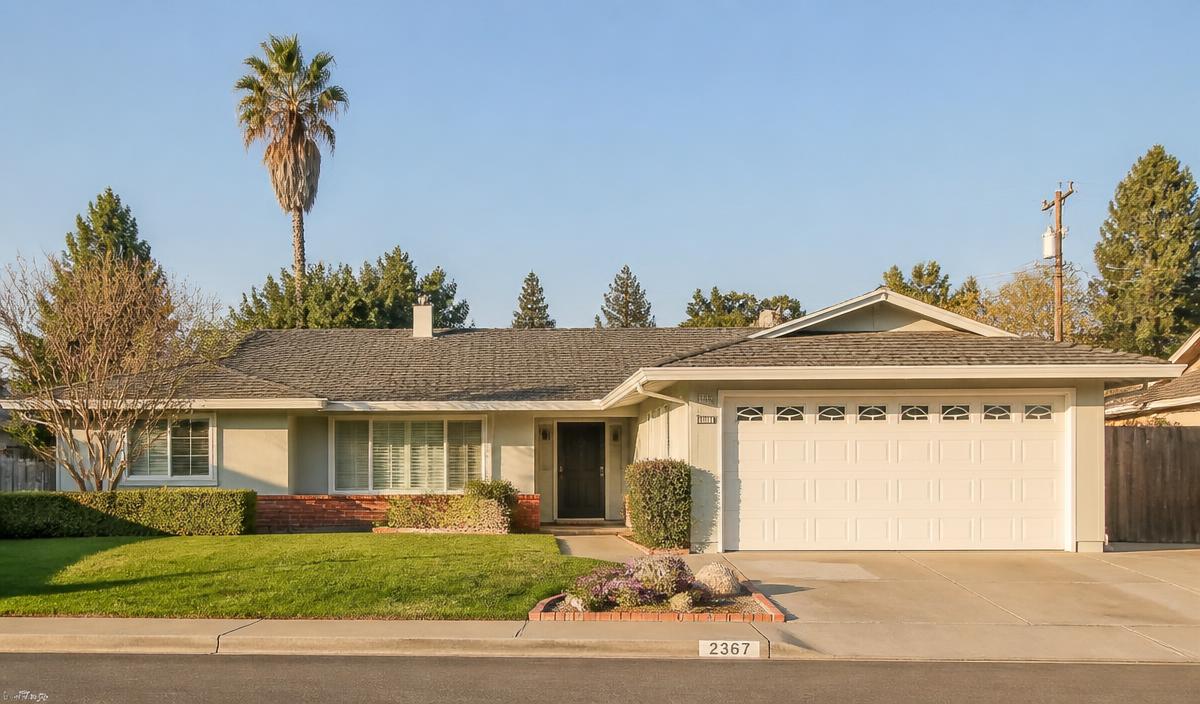
Ranch-style homes are everywhere in Denair, and there's a good reason they fit the lots, they fit the lifestyle, and they were the dominant style when most of this area was built out. They also come with a dryer vent design problem that almost no homeowner knows about until the dryer starts overheating or, worse, until a fire investigator is the one explaining it. Ranch layouts spread the floor plan horizontally instead of vertically, and the laundry room typically gets plumbed wherever it fits the plan often near the centre of the house, away from exterior walls. That means the dryer vent has to travel a long horizontal distance, usually through the attic, before it finds an exit through a roof cap or gable vent. Regular dryer vent cleaning California homeowners rely on elsewhere often isn't enough on its own here, because the underlying issue is the length and shape of the run itself, not just how much lint has built up.
It's a problem that hides in plain sight because everything looks normal from inside the laundry room.
The dryer turns on, the drum spins, clothes eventually come out warm. Nothing about the daily routine signals that 40 feet of duct and four elbows are sitting between that dryer and the outside world, quietly loading up with lint one load at a time. Homeowners in newer two-story construction rarely deal with this at the same scale, simply because a vertical vent run tends to be short and direct. Ranch homes flip that advantage into a liability.
By the time a ranch-home vent reaches its exit point, it's common to see 30 to 50 feet of duct with multiple elbows along the way. That's a problem, because IRC 2024 Section M1502.4 sets a maximum equivalent duct length of 35 feet, with many dryer manufacturers specifying an even tighter 25-foot limit and every 90-degree elbow subtracts another 5 feet of allowable length from that total. Most Denair ranch home vents inspected come in double or triple over spec once the elbows are counted. The dryer doesn't refuse to run when a vent is this far out of spec it just runs hotter and longer to compensate, while lint quietly accumulates in every elbow along the way. Three years in, there's a fire hazard sitting in the attic that nobody can see from the laundry room.
| Duct Configuration | Code Maximum Length | Typical Denair Ranch Home Reality |
|---|---|---|
| Straight run, no elbows | 35 feet (or 25 feet per manufacturer spec) | Rare most runs include multiple turns |
| Run with two 90° elbows | 25 feet effective maximum (35 − 10) | Frequently exceeds this once attic routing is measured |
| Run with four or more 90° elbows | 15 feet or less effective maximum | Common incentre-laundry ranch layouts |
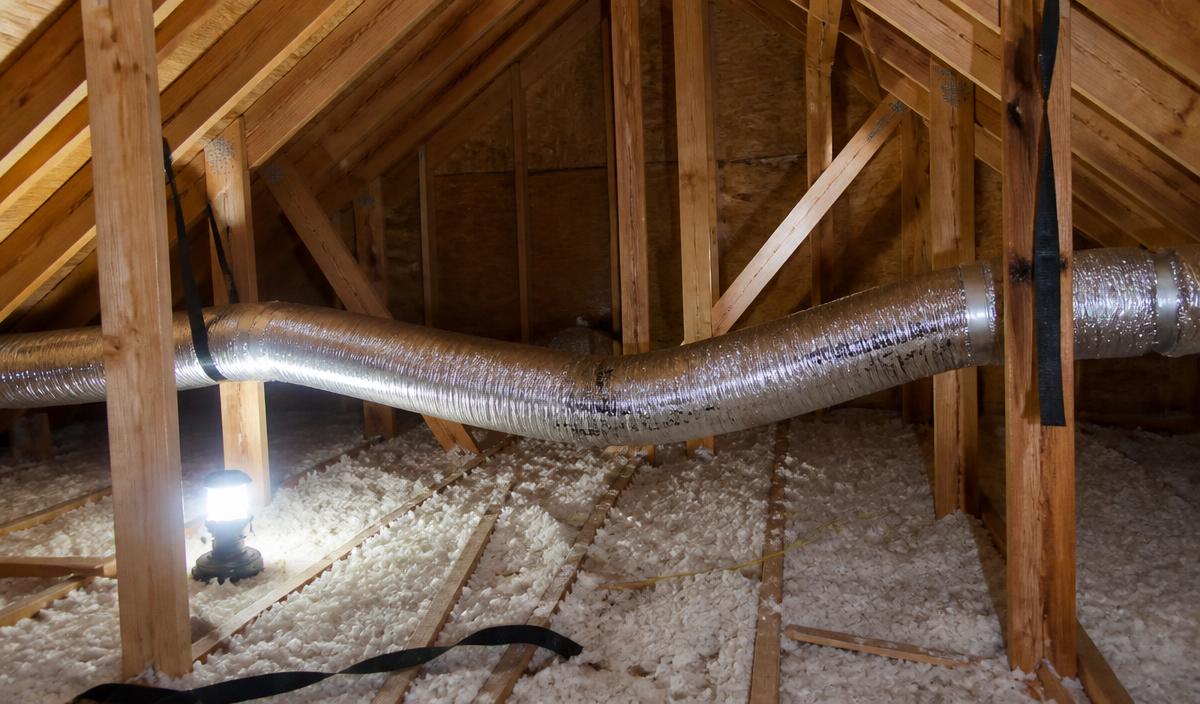
There are three specific failure points seen over and over in these homes. First, the flexible foil hose behind the dryer gets crushed when the dryer is pushed back against the wall, creating an immediate restriction right at the source. Second, the rigid duct running through the attic sags between supports, creating a low spot where lint collects and simply stays put instead of moving through with the airflow. Third, the rooftop or gable cap gets clogged with bird nests, debris, or years of compacted lint right at the exit point, which is often the last place anyone thinks to check.
Any one of these three issues on its own is manageable. The trouble is that ranch-home runs tend to accumulate more than one at a time, simply because there's more duct, more attic space, and more opportunity for something to go slightly wrong along the way. A crushed transition hose combined with attic sag, for example, can turn a system that would otherwise meet spec into one running at a fraction of its intended airflow and neither problem is visible without actually getting eyes on the duct.
Here's a diagnostic anyone can run without tools: turn the dryer on heat, walk outside to the vent termination, and hold a hand near the cap. There should be strong, steady airflow and a flap that swings open easily. If the flap barely moves or there's little air to feel, the vent is choked somewhere between the dryer and the cap. That's not a maintenance reminder for next season that's a call-this-week situation, especially in a home with a long, elbow-heavy ranch layout.
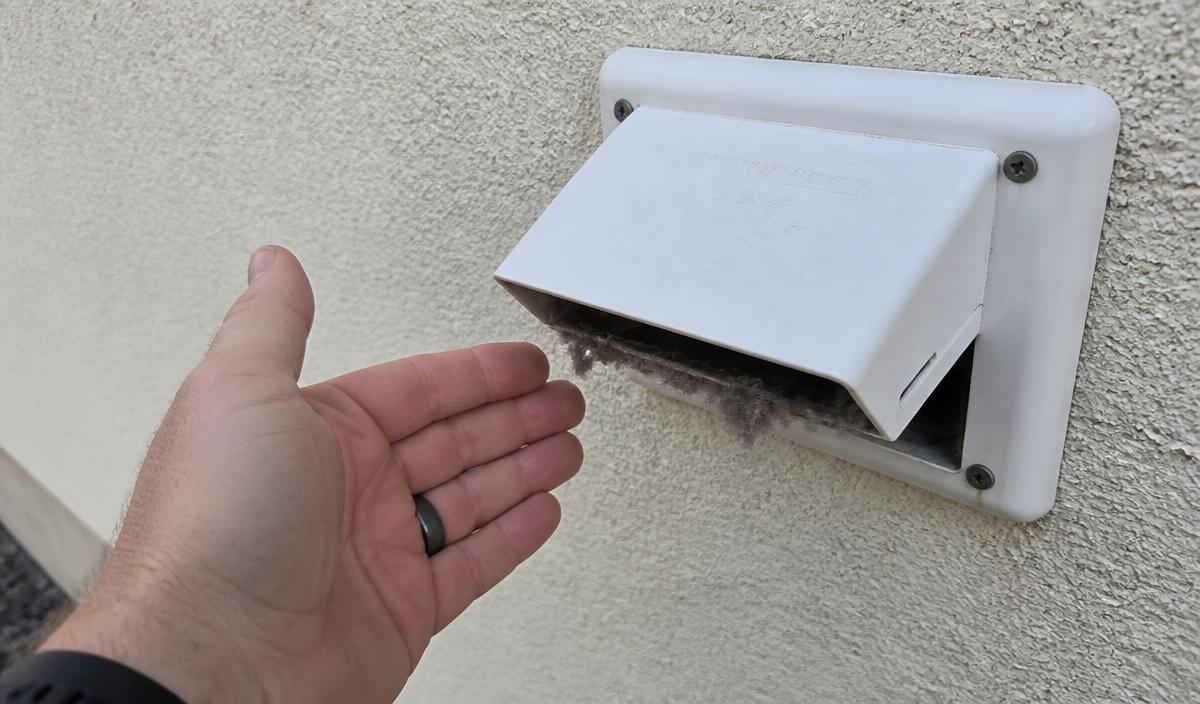
It's worth running this test even on a dryer that seems to be working fine. Airflow restriction builds gradually, so the difference between this year and last year can be hard to notice day to day clothes just take a little longer, the laundry room feels a little warmer, and both get written off as normal. A side-by-side comparison against a known-good vent, or simply against how strong the airflow felt a year ago, is usually what reveals how much the situation has actually changed.
The stakes here are bigger than a slow-drying load of laundry. U.S. Fire Administration data on residential clothes dryer fires shows lint accumulation and blocked venting are consistently among the leading contributing factors in these incidents, and fire departments across the country respond to thousands of dryer-related home fires every year. Ranch layouts don't cause fires on their own, but the long, elbow-heavy vent runs they require make lint buildup faster and harder to notice until airflow is already badly restricted.
| Factor | What National Fire Data Shows |
|---|---|
| Leading contributing cause | Failure to clean the dryer or its venting system |
| Share of fires starting in the dryer or vent system | The large majority, rather than electrical or external causes |
| Recommended cleaning frequency | At least once a year for most households |
| Higher-risk seasons | Fall and winter, when heavier fabrics are laundered more often |
A standard brush kit from a home improvement store reaches maybe 12 feet nowhere near enough for a 30- to 50-foot ranch-home run. Rotary brush systems built for long vent runs spin as they push through the duct, dislodging lint at every elbow while a vacuum runs continuously from the dryer end. Rooftop terminations get cleaned from the roof when access is safe, and a full cleaning for a typical Denair ranch home vent takes about an hour. A thorough visit also includes inspecting the transition hose, replacing it with a smooth-walled rigid version if it's crushed, and verifying exit airflow with a meter to confirm the vent is genuinely clear from end to end. Dustbusters has been doing exactly this kind of work across Denair and Stanislaus County since 1999, and flags vents with five or more elbows, major sag, or wind-exposed terminations as candidates for rerouting rather than repeated cleaning alone.
For a homeowner who's never had this done, or genuinely can't remember the last time it happened, the honest answer is usually simple: get it looked at this season, not next. A camera inspection before and after the cleaning removes the guesswork entirely there's no need to take anyone's word for whether the vent was actually clear, since the footage shows exactly what came out and what the duct looks like once it's done.
Long attic runs and multiple elbows need more than a home-center brush kit. Our team cleans the full run, replaces crushed transition hose, and verifies airflow at the cap.
Same-week appointments available. Honest quote up front.